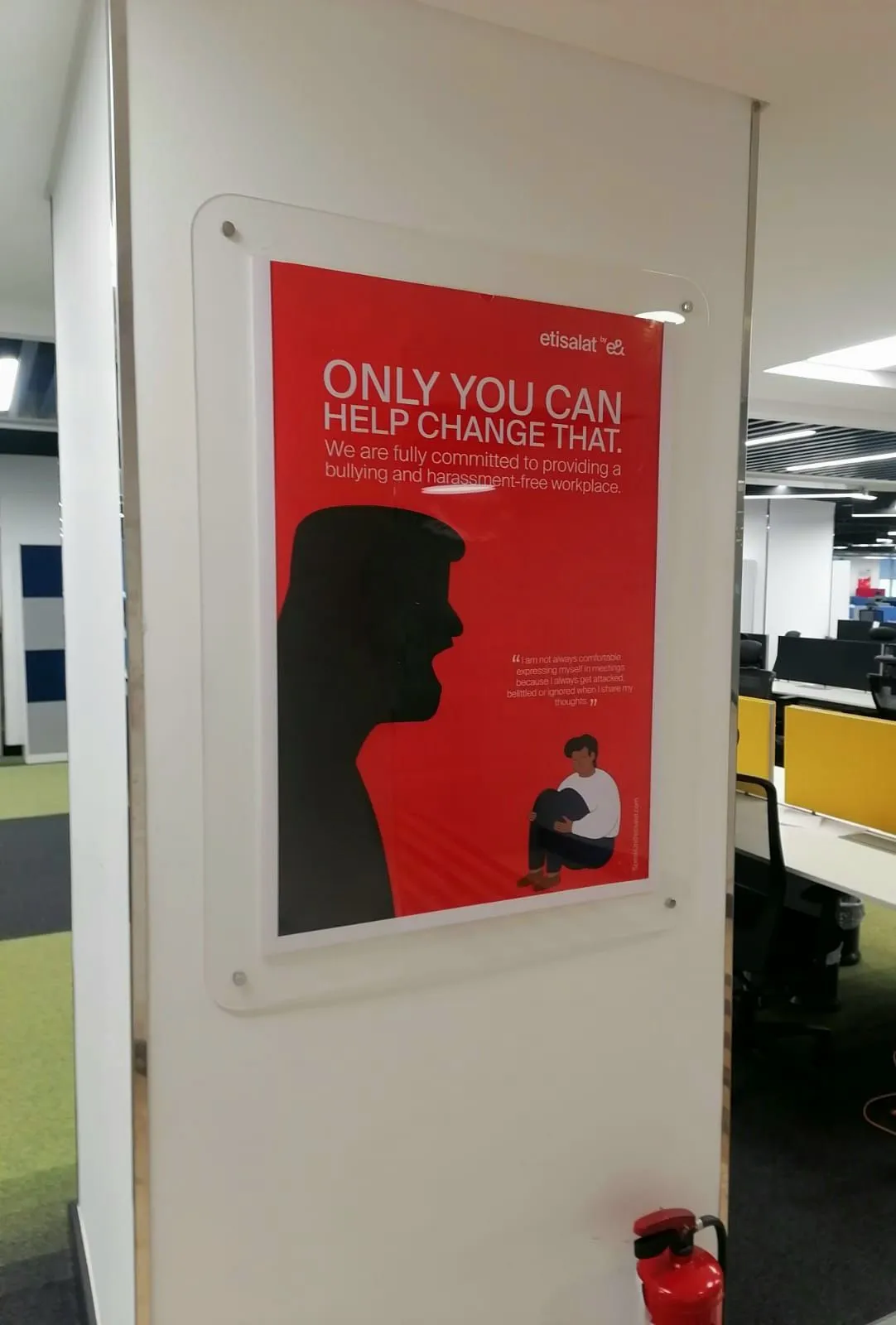
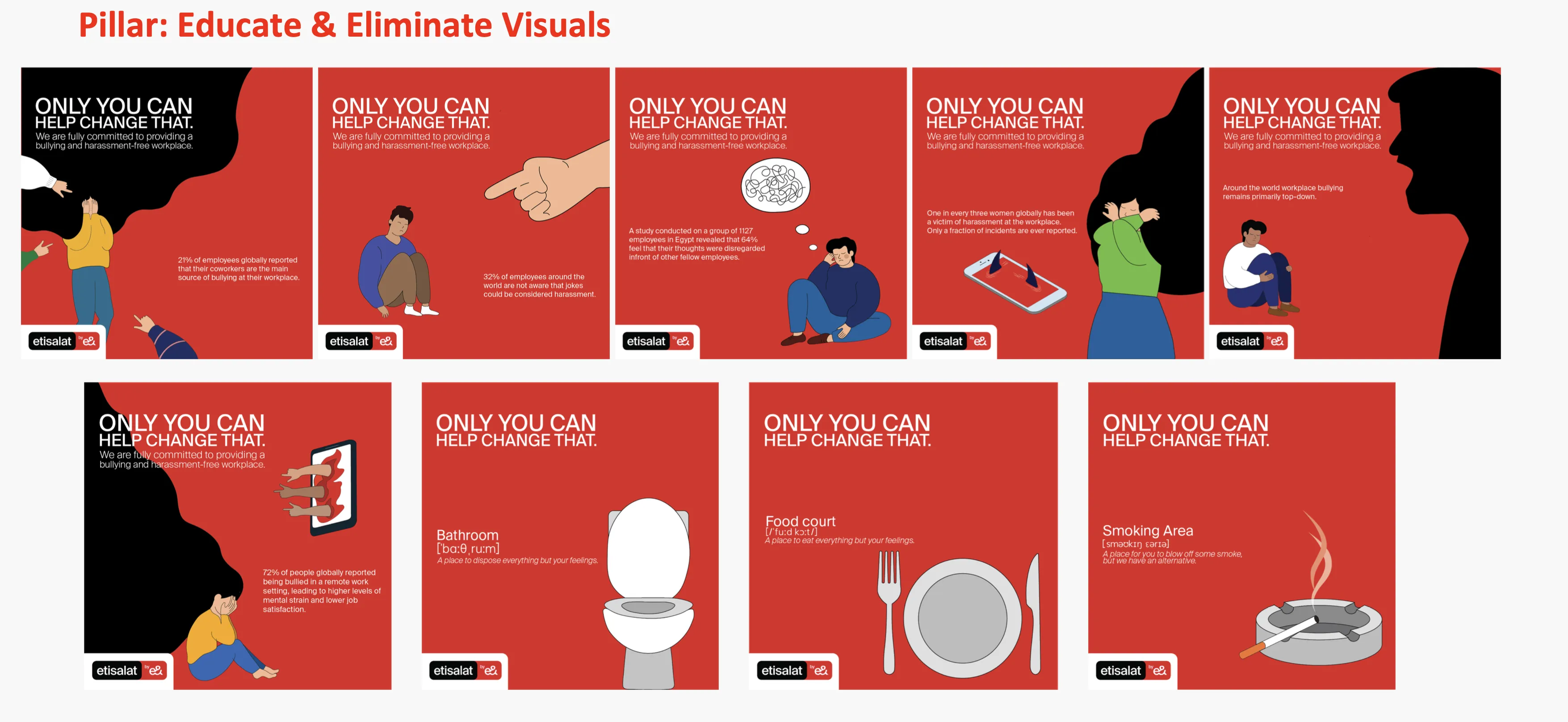
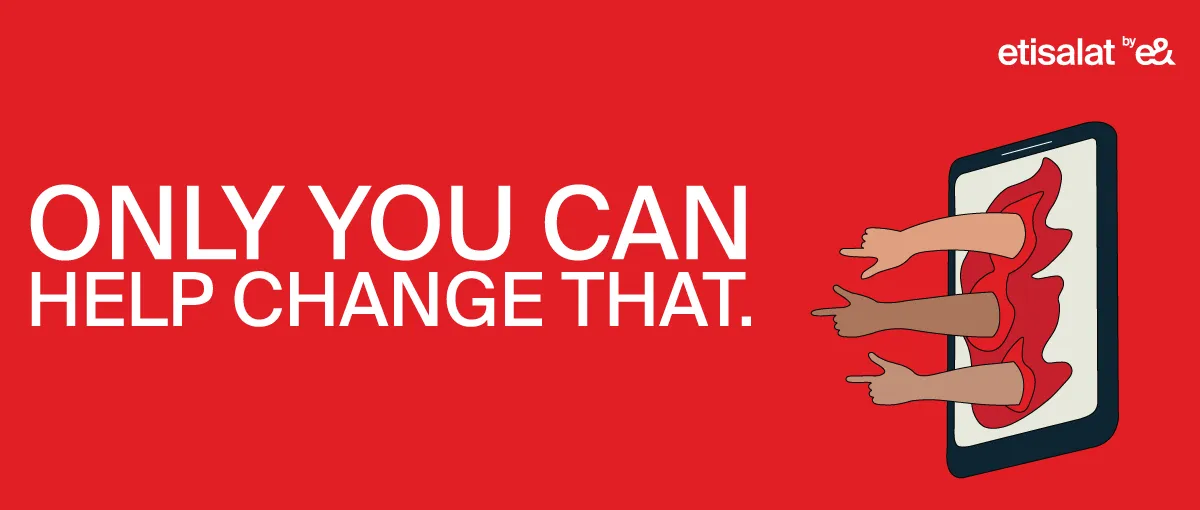
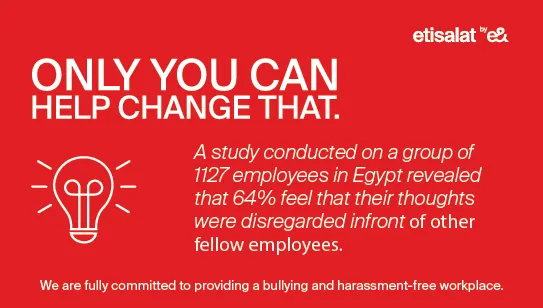
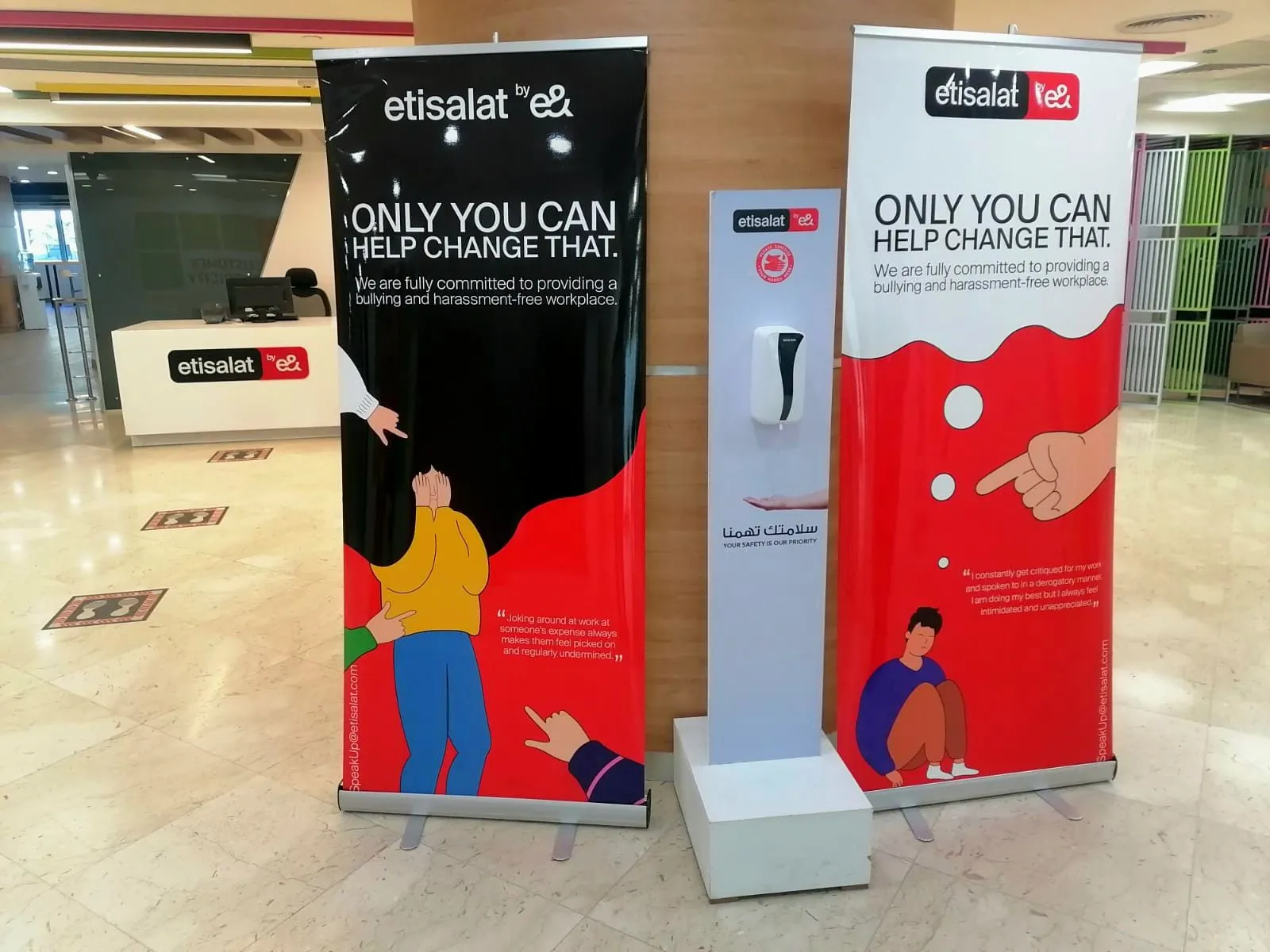
The concept we landed on was called "evolv e&." It was built on a provocation: evolution requires discomfort. You don't change a culture by making people comfortable with the status quo. You change it by making the status quo harder to accept than the alternative.
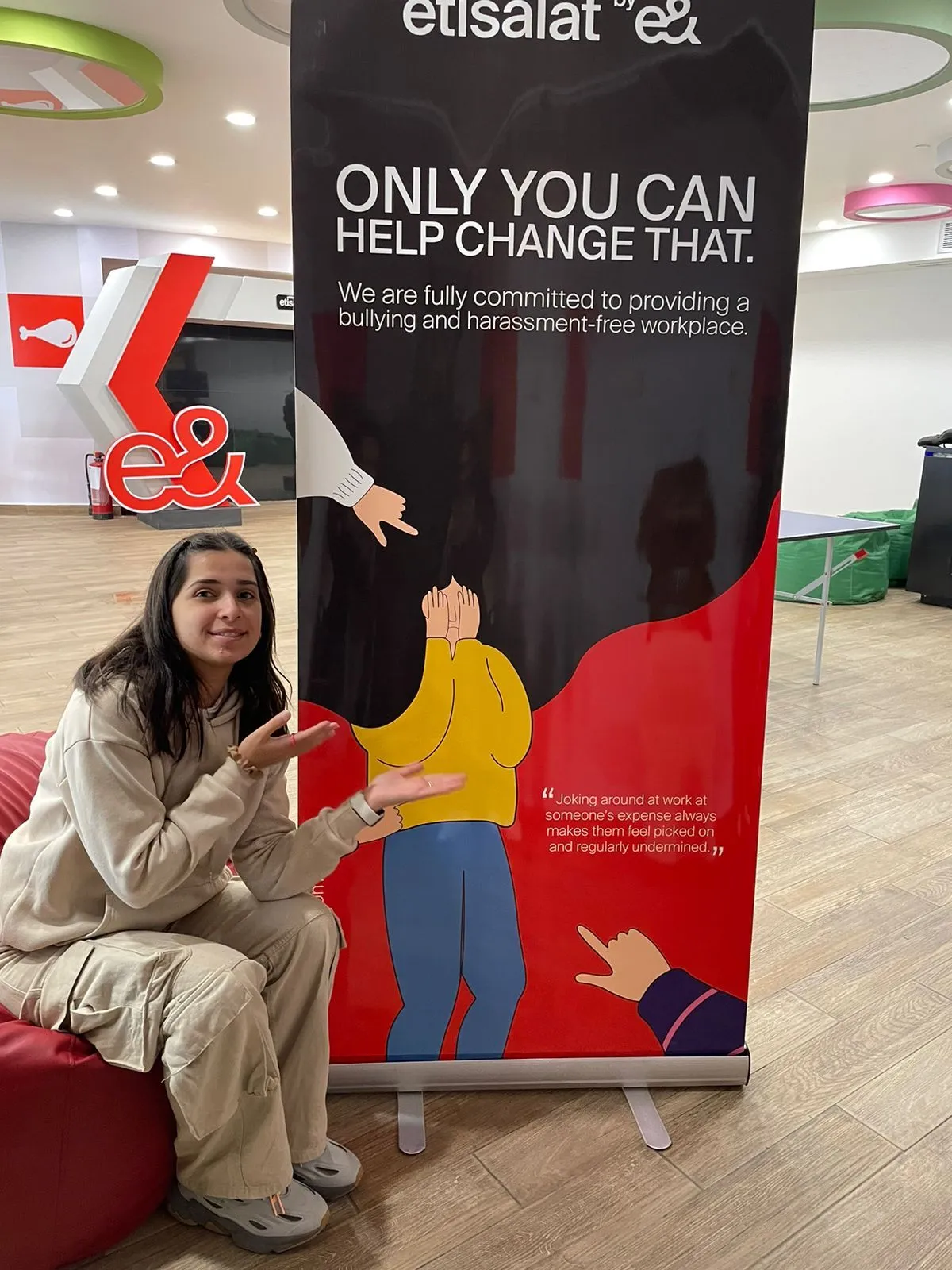
The campaign line was "Only You Can Help Change That." That phrasing was not an accident. There is a well-studied problem in behavioral science called diffusion of responsibility, first identified by Darley and Latane after the Kitty Genovese case. In group settings, people assume someone else will act. The larger the group, the less personal responsibility anyone feels. Darley and Latane found that 85% of individuals intervened when alone, but only 31% intervened when four other bystanders were present. By singling out the individual with "Only You," we were doing something specific: reversing the diffusion effect. Bandura's Social Cognitive Theory calls this activating personal agency, the belief that you, specifically, have the capacity to influence your circumstances. The line was not a slogan. It was a behavioral intervention disguised as one.
We organized the work into three phases, each with its own communication objective and its own set of touchpoints.
Educate
The first barrier to behavior change was a knowledge gap. Most employees could not define the types of harassment they were surrounded by. In an Eastern cultural context, the line between "that's just how things are" and "that's actually harassment" is blurry enough that people genuinely don't know where acceptable behavior ends and abuse begins. Tichenor's Knowledge Gap Hypothesis tells us that when people lack the vocabulary to identify a problem, they cannot act on it. You can't report something you can't name. This phase used teaser emails, announcement emails, SMS, and internal posters to introduce vocabulary, statistics, and the campaign identity. The goal was to close that gap and give people a shared language they could use when they finally had the courage to speak up.
Eliminate
This was the phase that made the campaign real. The Intuition presentation framed it clearly: we needed to locate where employees go when they want to unfold and vent, the most authentic vulnerable spaces in any workplace. The bathroom is where employees go to break down and cry. That's not an assumption, that's an observable pattern in any office. Research in environmental psychology shows that vulnerability in communal private spaces leads to people opening up to one another. We installed dictionary-style definitions of bullying and harassment on bathroom stall doors, elevator wraps, smoking area walls, and cafeteria surfaces. Printed matter, not screens. You could not swipe past it or minimize the tab. Thaler and Sunstein's Nudge Theory calls this choice architecture: restructuring the physical environment to make a desired behavior easier and more natural. By placing definitions and the reporting email (evolve@etisalat.com) in these spaces, we intercepted people at the exact moment they were most likely to be alone with their thoughts and most receptive to the message.
Encourage
Convert attitude into sustained behavior. We partnered with Safe Egypt to run two live workshop sessions on sexual abuse awareness, anti-bullying, and safe working space practices. These were facilitated by professionals, not HR. That distinction mattered. It gave the sessions credibility and made people feel like the company was investing in real expertise, not checking a box.